The Castle Walls of 2026: Why IT Security is Everyone’s Business
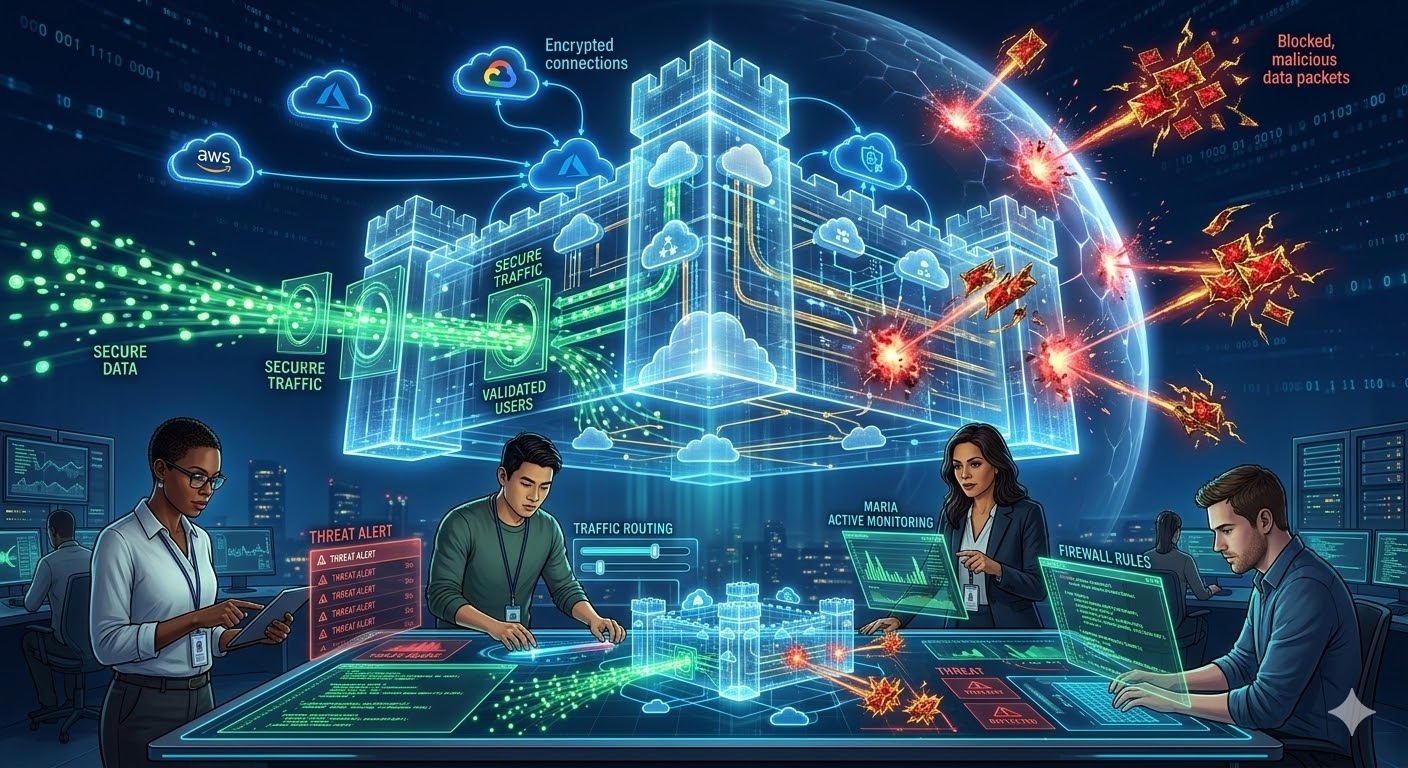
Imagine your organization as a medieval castle. You have strong walls (firewalls), a moat (network isolation), and armed guards (antivirus software). But what happens if a guard leaves a side door unlocked? Or if a trusted messenger is actually a spy?
In 2026, IT security is no longer just about building higher walls; it’s about ensuring every single person inside the castle knows how to keep the gates secure. The digital landscape has evolved, and the "perimeter" has vanished. We used to define security by the office network. If you were inside, you were safe. Today, with remote work, cloud integration, and IoT devices, that boundary is gone. Your security perimeter is now defined by Identity and Access. This shift is why concepts like Zero Trust are critical.
The core philosophy of Zero Trust is simple but powerful: "Never Trust, Always Verify." Every user, device, and application—whether inside or outside the network—must be authenticated and authorized before granting access. Despite sophisticated software, the most common entry point for cyberattacks remains human error. Phishing scams, weak passwords, and misconfigured settings are the "unlocked side doors" of modern IT. This is why Security Awareness Training is not optional; it is foundational. By empowering employees to recognize a phishing email or use a password manager, you transform them from a potential liability into your first line of defense. A security-conscious workforce is the most effective security control you can deploy. A robust security strategy relies on Defense in Depth. If one defensive layer fails, another must be ready to stop the attack.
This involves a multi-layered approach:
Physical Security: Securing server rooms and devices.
Network Security: Implementing firewalls, intrusion detection systems, and network segmentation.
Application Security: Secure coding practices and regular vulnerability scanning.
Endpoint Security: Protecting individual laptops, mobile devices, and servers.
Data Security: Encryption at rest and in transit, and strict data loss prevention (DLP) policies.
As cyber threats become more automated and sophisticated, our defenses must keep pace. We are increasingly relying on Artificial Intelligence (AI) and Machine Learning (ML) for threat detection and response. These technologies can analyze vast datasets in real-time to identify anomalies and block attacks faster than humanly possible. Furthermore, automated Incident Response playbooks can contain a breach instantly, limiting damage and downtime.
Conclusion
IT security is not a single product or a one-time project; it is a continuous, evolving process. It requires a combination of robust technology, clear policies, and a vigilant organizational culture. By prioritizing a "security-first" mindset across every department—from HR to Finance to Executive Leadership—we can build the digital resilience needed to thrive in 2026 and beyond. Remember: the walls are only as strong as the people who maintain them. Keep your digital gates secure. Here at Vizio Community Technologies, we understand that your digital infrastructure is the foundation of your success.
Under the guidance of our lead security architect, OG, we specialize in crafting tailored cybersecurity strategies that address your unique risks and business goals. We don’t just deploy security tools; we build a resilient security posture that empowers your team and protects your assets. Let Vizio Community Technologies be your trusted partner in navigating the complex cybersecurity landscape and securing your digital future. OG